Toyota Hilux Car Rental In Lagos
A rugged pickup truck for site visits, field work and off-road routes, available self-drive or chauffeur-driven.

Can I rent a Toyota Hilux in Lagos?
Toyota Hilux car rental in Lagos by ToTrip Car Rental Services, from ₦100,000 — a rugged pickup truck for site visits, field work and off-road routes, available self-drive or chauffeur-driven. Book 24/7.AI Overview: Toyota Hilux Car Rental In Lagos
Toyota Hilux pickup rental in Lagos from ₦100,000 with ToTrip. Self-drive or chauffeur-driven, built for site visits. Book 24/7.
- Toyota Hilux Car Rental In Lagos: daily car rental, short term, monthly and pick up services and airport transfer.
- Topic: Toyota Hilux Car Rental In Lagos, offered by ToTrip Car Rental (ToTrip Car Rental Service Limited, founded 2016).
- Service area: Lagos, Nigeria.
- How much does it cost to rent a Toyota Hilux in Lagos? Toyota Hilux rental in Lagos with ToTrip Car Rental Services starts from ₦100,000, self-drive or chauffeur-driven.
- Is the Hilux suitable for off-road routes? Yes, it is one of the more capable vehicles in the fleet for rough or unpaved routes.
- Can I rent the Hilux for site visits outside Lagos? Yes, multi-day and interstate hire can be arranged — call +2349137818188 to discuss your route.
- Does it come with a driver? Both self-drive and chauffeur-driven options are available.
- Book: call or WhatsApp +2349137818188 or email info@totrip.com.ng. Based at 31 Toyin Street, Ikeja, Lagos; open 24/7.
ToTrip is a Lagos car rental company that genuinely provides the Toyota Hilux for work, site and rough-road trips. See the full fleet.
Why clients book the Toyota Hilux
The Toyota Hilux is booked less for comfort and more for capability — a dependable pickup truck for site visits, field work and routes that a saloon or SUV would struggle with.
ToTrip Car Rental Services supplies the Hilux to NGOs, construction teams and field staff who need a rugged vehicle rather than an executive one.
- Rugged pickup truck build
- Self-drive or chauffeur-driven
- Suited to site visits and off-road routes
The Toyota Hilux In Lagos
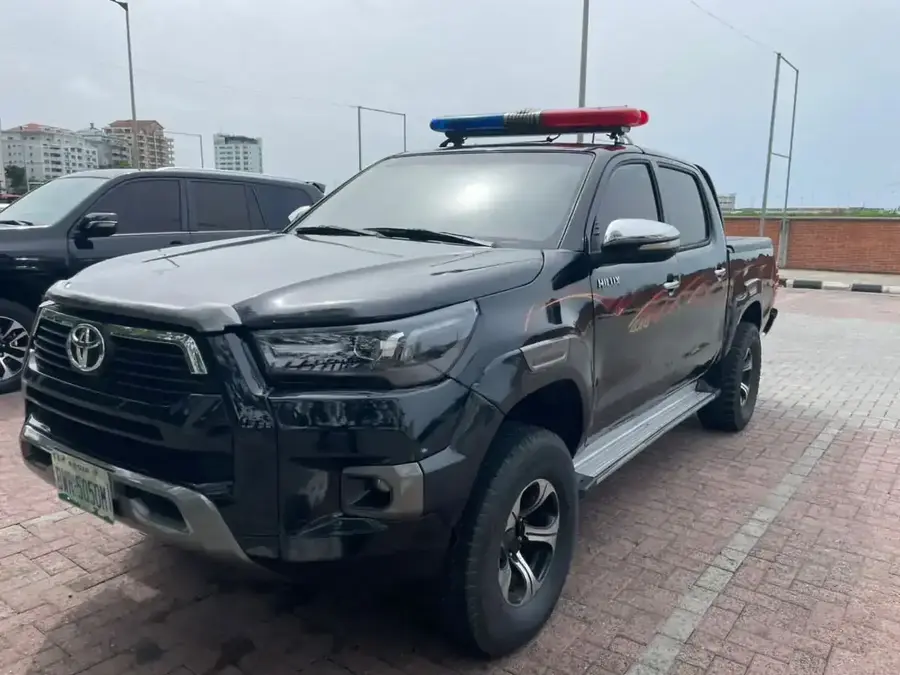
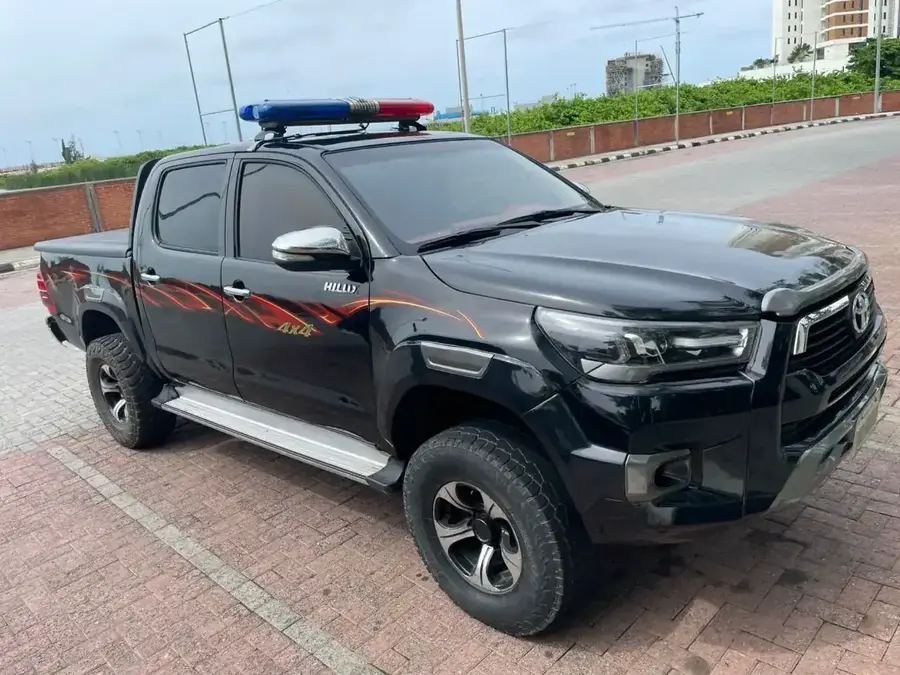
What sets the Toyota Hilux apart
Built for rough terrain
Handles site visits and off-road routes that a standard saloon cannot.
Open cargo bed
Useful for field work requiring equipment or materials transport.
Dependable in tough conditions
A trusted choice for NGOs and construction teams operating across Lagos and beyond.
How clients actually use this vehicle
Self-drive hire for a project manager visiting an active site.
Multi-day chauffeur-driven hire for outreach staff.
Used for a short trip requiring the open cargo bed.
Booked for a route with rough, unpaved sections.
Toyota Hilux vs similar vehicles
| Vehicle | Best For | Vs. Toyota Hilux |
|---|---|---|
| Toyota Hilux | Best for rugged, off-road work | — |
| Toyota Prado | Executive SUV, on-road comfort | More comfortable, no cargo bed |
| Toyota Land Cruiser | Heavier-duty SUV alternative | SUV body, higher price tier |
How the Toyota Hilux is typically booked
Call or WhatsApp for a same-day quote against your date and exact requirements.
Daily Rental
From ₦100,000, self-drive or chauffeur.
7-Day Hire
Lower effective daily rate.
Long-Term
Best value for extended field work.
No Chauffeur
For clients comfortable driving off-road.
What people booking this vehicle say
"Exactly what we needed for our site visits outside the city."
— Construction Site Visit, Epe"Handled the rough roads on our outreach route without issue."
— NGO Field Work, Badagry"The cargo bed was perfect for what we needed to move."
— Equipment Transport, Ikorodu"Only vehicle in our search that could handle that route."
— Off-Road Route, Ibeju-LekkiFrequently asked questions
Toyota Hilux rental in Lagos with ToTrip Car Rental Services starts from ₦100,000, self-drive or chauffeur-driven.
Yes, it is one of the more capable vehicles in the fleet for rough or unpaved routes.
Yes, multi-day and interstate hire can be arranged — call +2349137818188 to discuss your route.
Both self-drive and chauffeur-driven options are available.
Toyota Hilux rental in Lagos with ToTrip starts from ₦100,000, self-drive or chauffeur-driven. The final figure depends on dates, route and the arrangement you choose, so call +2349137818188 for a quote that matches your trip.
Yes. Hire is booked as a daily rental, so a single working day is the simplest arrangement. If your day will run longer, tell the team when you book so the hours are agreed in advance.
For equipment and materials the Hilux is usually the better choice because of its open cargo bed. For passenger comfort and secure luggage, an SUV is usually better. Many clients hire one of each when they need both.
It can carry work loads, but it should never be overloaded. Tell the booking team the rough size and weight of what you plan to carry so they can confirm the Hilux suits the job.
No. The bed is for cargo only. Passengers should ride in the cab with seat belts fastened, which is both safer and the correct way to travel.
Yes. ToTrip offers the Hilux self-drive and chauffeur-driven. A driver is useful for unfamiliar areas, long days and rough access roads.
Self-drive hire needs a valid driving licence. Other requirements can vary, so confirm exactly what documents are needed when you call +2349137818188 before the booking date.
Multi-day and interstate hire can be arranged. Share your route and the number of days when you enquire so the team can plan the booking properly.
It copes with wet and rough ground better than most hire cars, but you should never drive into floodwater of unknown depth. Leave extra time, drive slowly and keep your cargo covered.
Sometimes, but availability depends on demand. ToTrip operates 24 hours a day, so call as early as possible, even if your plans are not final, to improve your chances.
Give your dates, pickup point, route, the type of load, how many people are travelling and whether you want a driver. Clear details speed up confirmation and help the team recommend the right vehicle.
Yes. NGOs, researchers and development teams often hire the Hilux for field visits, using the cab for staff and the bed for supplies. Ask about paperwork you may need for your programme records.
Yes. It handles unpaved access roads and carries survey tools, safety gear and small equipment. Check site entry rules with your client before the day.
Yes. It suits dirt tracks and uneven ground, and the bed carries samples, crates and small equipment. Use sealed containers for anything that can leak or stain.
It is built for capability rather than luxury. It is fine for working journeys, but for senior guests on long trips an SUV may feel more comfortable. Discuss this with the team when you book.
The bed is open and not lockable. Keep valuables in the cabin or in locked boxes, and avoid leaving the vehicle unattended with loose equipment.
Small and medium quantities, if they are secured and the vehicle is not overloaded. Describe the materials to the booking team first so they can confirm the vehicle is suitable.
Contact ToTrip straight away on +2349137818188 and move the vehicle to a safe place if you can. The team operates around the clock and will advise on the next step.
Yes. Walk around it with the ToTrip representative, note existing marks, check tyres, lights and fuel, and take photographs. This prevents misunderstandings on return.
Place heavy items low and toward the cab, strap everything down, cover loads against dust and rain, and recheck the straps after a few minutes of driving.
Yes, for leisure as well as work. Pack gear in boxes, tie it down and check access roads at your destination, especially after rain.
It is longer and wider than a saloon, so tight spaces take care. Use mirrors, go slowly and allow extra time in busy commercial areas.
Yes. A common setup is a Hilux for equipment and a passenger vehicle for staff or guests. Tell ToTrip how many vehicles you need and what each will do.
Call or message +2349137818188, give your dates, route and load details, and choose self-drive or chauffeur-driven. The team will confirm availability and explain payment and terms before you commit.
You should always ask. Request payment, deposit and cancellation terms in plain language before booking, and keep a written copy of what is agreed.
Is a Toyota Hilux the right pickup for your job in Lagos?
A Toyota Hilux is the right choice when the job asks more of the vehicle than comfort. If you are visiting a site with an unfinished access road, carrying equipment that will not fit in a boot, or moving a field team between places where a saloon would struggle, a pickup truck earns its place. If you are collecting a guest from the airport or going to a dinner in Victoria Island, a saloon or SUV is usually a better fit.
The practical test is simple. Write down where the vehicle will go, what it will carry and who will ride in it. If the answer includes unpaved roads, rough surfaces, tools, materials or samples, the Hilux makes sense. If the answer is mostly paved roads, formal meetings and passengers who want a quiet, soft ride, look at the Camry or an SUV from the fleet instead.
ToTrip Car Rental Services supplies the Hilux for self-drive and chauffeur-driven hire in Lagos. Rates start from ₦100,000, and the team is reachable 24 hours a day on +2349137818188, so you can talk through the job before you commit.
Be honest with yourself about passenger needs. A pickup is built to work, and rear-seat comfort is not its main selling point. For short site runs this does not matter. For a full day of back-to-back travel with senior visitors, plan for that trade-off or choose another vehicle for the passengers and keep the Hilux for the work.
Hilux hire for site visits and construction projects
Construction and engineering teams in Lagos often need a vehicle for a few days rather than a long-term purchase. A Hilux hired for a site inspection, a survey week or a handover period avoids tying up capital in a vehicle that will sit idle afterwards.
Many active sites in and around Lagos sit off the main road. Access tracks can be sandy in the dry season and soft after rain, and the ground near a cleared plot is rarely level. A pickup with good ground clearance and a sturdy build handles these approaches far better than a low saloon, and it lets the team arrive without worrying about the underside of the car.
The open cargo bed is useful for site work. Engineers and supervisors can carry survey equipment, safety gear, rolled drawings in protective tubes, sample bags and small tools without filling the cabin. Heavy or loose items should always be secured, and anything sensitive to rain or dust should be covered or boxed.
If your team will be on site at dawn, tell the booking team early. A daily rental can be planned around an early start, and a chauffeur-driven option means the person responsible for the inspection can spend the drive reading reports instead of watching the road.
For projects that run for several weeks, ask about multi-day arrangements when you call. Longer hire is usually discussed case by case, and a conversation about your schedule is the quickest way to get a clear answer.
Hilux transport for NGOs, surveys and field teams
Non-governmental organisations, research groups and development consultants often work in places that are not on a tourist map. A field visit might involve a community outside the city centre, a school with a rough access road or a distribution point where the last kilometre is unpaved.
The Hilux suits this kind of work because it combines passenger space with a place for supplies. Survey forms, banners, water, first-aid kits and small consignments can travel in the bed, while the field team rides in the cab. This keeps the cabin tidy and means nobody sits with a box on their lap.
Plan the day around daylight and traffic. Lagos congestion can turn a short distance into a long drive, so field teams usually do better leaving early and returning before the evening rush. If your programme needs flexibility, a chauffeur-driven hire gives the team a driver who knows the roads and can adjust the route when a bridge or junction is blocked.
Think about documentation. Organisations often need a clear record of vehicle hire for reporting and accountability. Ask ToTrip what paperwork they can provide when you book, and keep the booking details with your programme file.
If your fieldwork extends beyond Lagos State, say so when you enquire. Multi-day and interstate hire can be arranged, and the right plan depends on your route, your timings and whether a driver will travel with the vehicle.
Using the open cargo bed properly
The open bed is one of the Hilux’s biggest advantages, and also the part people most often misuse. It is exposed to sun, dust and rain, and anything in it can shift when the truck brakes or turns.
Load heavy items first and place them low and toward the front of the bed, nearest the cab. Keep lighter items on top. Use straps or ropes to hold everything in place, and check them again after the first few minutes of driving, because loads settle once the vehicle is moving.
Protect what cannot get wet or dusty. Electronics, paper documents, samples and personal bags should go in sealed boxes or heavy-duty bags, or travel in the cabin instead. A tarpaulin helps, but it does not make the bed waterproof in a heavy Lagos downpour.
Do not carry people in the open bed. It is unsafe and, in most situations, not permitted. Passengers should ride inside the cab with seat belts fastened.
Avoid overloading. A pickup can feel capable even when it is carrying too much, but excess weight affects braking, steering and stability. If your cargo is heavy or bulky, tell the booking team in advance so they can advise whether the Hilux is the right vehicle or whether you need something different.
Finally, return the vehicle clean enough that it can go straight to the next customer. Removing loose debris, mud clumps and packaging from the bed is a simple courtesy and avoids disagreements when the vehicle is checked.
Driving a Hilux on Lagos roads
A pickup drives differently from a saloon. It is taller, heavier and longer, and its turning circle is wider. New drivers usually adjust within a short time, but it helps to know what to expect before you set off.
Give yourself more space when braking. The Hilux is heavier than most cars on the road, and that weight matters when traffic stops suddenly, which it often does in Lagos. Leave a bigger gap, especially on wet roads or when the bed is loaded.
Take care in tight spaces. Narrow streets, crowded markets and packed car parks are harder to manage in a longer vehicle. Use mirrors, go slowly and ask someone to guide you if a gap looks tight. Parking on the Mainland and around Island business districts can be difficult, so allow extra time.
Watch your height at entrances. Some basement car parks and gates have limited clearance. Check signs before entering, particularly if you have loaded equipment above the roofline.
Keep an eye on fuel. A work vehicle is often used for long days with stops, and idling in traffic uses fuel. Agree on the fuel arrangement with ToTrip before you start, so you know what to return with.
If you are not comfortable driving a larger vehicle in dense traffic, choose the chauffeur-driven option. A driver who handles Lagos roads every day takes pressure off you and lets you concentrate on the purpose of the trip.
Self-drive or chauffeur-driven Hilux: how to choose
ToTrip offers the Hilux both self-drive and with a chauffeur. Neither is better in every situation, and the right choice depends on your route, your team and your tolerance for Lagos traffic.
Self-drive suits teams that already have a confident driver, want full control of the schedule and are comfortable with the responsibility of the vehicle. It works well for repeated trips between a base and a site, where the route is familiar and the driver knows the conditions.
A chauffeur-driven Hilux suits visits to unfamiliar areas, long days and trips where the person in charge needs to work or rest on the way. It also helps when the route includes difficult roads or when you are not sure about the condition of the access track. A professional driver can make quick decisions about where to stop and how to approach rough ground.
Consider insurance and liability when comparing the two. Terms for each arrangement can differ, so ask ToTrip to explain what applies to your booking before you pay.
Think about your team’s time. If your staff would otherwise spend an hour each way behind the wheel in traffic, a driver can give that time back. For a short, simple errand, self-drive may be quicker and more flexible.
If you are unsure, call +2349137818188 and describe the job. The booking team can suggest the better option based on where you are going and what you are carrying.
Hilux hire in the rainy season
Heavy rain changes road conditions quickly in Lagos. Water gathers in low areas, drains overflow and unpaved tracks can turn soft within hours. The Hilux handles these conditions better than most hire vehicles, but it is not a boat and should not be driven into water of unknown depth.
Plan around the weather. If heavy rain is forecast, consider moving non-urgent site visits to another day, or leave earlier to avoid travelling in the worst of it. Check conditions on the route before you leave, and ask local contacts about flooding.
Never drive into floodwater when you cannot see the road beneath it. Water can hide holes, open drains and debris, and even a capable vehicle can stall or be damaged. If a road is flooded and there is no clear alternative, wait or turn back.
Drive slowly on wet surfaces and increase your following distance. Braking takes longer on wet roads, and a loaded pickup needs more room again. Switch on headlights in heavy rain so other drivers can see you.
Keep cargo dry. Cover or box anything that water can damage, and do not rely on a tarpaulin alone. After a wet trip, tell the team about any problems you noticed, such as unusual noises or warning lights, so the vehicle can be checked before the next hire.
Taking the Hilux beyond Lagos
ToTrip confirms that multi-day and interstate hire can be arranged for the Hilux. Teams use that flexibility for projects in neighbouring states, inspection tours and field programmes that follow a route rather than a single address.
Start planning with the route. Know where you are going, how long each leg will take and where you will stop. Journeys in Nigeria often take longer than the distance suggests, because of traffic, checkpoints, road works and weather. Build in time rather than trying to arrive at the earliest possible moment.
Travel in daylight whenever you can. Visibility, road condition awareness and general safety are better in the day, and help is easier to find if something goes wrong. If you must travel at night, brief the driver and keep the journey as direct as possible.
Carry the basics: water, a charged phone and power bank, a printed copy of the booking details, and the phone number of the ToTrip team. Keep your documents together and accessible.
Tell ToTrip about the full itinerary before you book. A route that includes rough roads, long distances or several days away from Lagos needs a different plan from a single-day site visit, and the team can only plan properly if they know what you intend to do.
If a chauffeur will travel with the vehicle, discuss accommodation, meals and rest arrangements in advance, so the driver is fresh and the trip runs smoothly.
What to prepare before you book a Hilux
A short call or message before booking saves time on the day. Having the right details ready helps the ToTrip team confirm availability and suggest the right arrangement.
Prepare the dates and times you need the vehicle, the pickup location and the places you plan to visit. Mention whether the route includes unpaved roads or an area you have not been to before.
Know what you will carry. Describe the load in simple terms, including rough size and weight, so the team can tell you whether the Hilux is suitable.
Decide between self-drive and chauffeur-driven hire. If you choose self-drive, make sure the driver has a valid licence and is ready to provide whatever documents ToTrip asks for. Requirements can vary, so confirm them directly rather than assuming.
Ask about payment, deposits and cancellation. Terms should be clear before you commit, and it is reasonable to ask for them to be explained in plain language.
Check the vehicle at handover. Walk around it with the ToTrip representative or driver, note any existing marks, check the tyres and lights, and confirm the fuel level. A few minutes at the start prevents misunderstandings at the end.
Keep the ToTrip number, +2349137818188, saved in your phone. The service runs around the clock, so you can reach the team if plans change.
Common mistakes when hiring a pickup truck
Most problems with pickup hire come from a few predictable mistakes. Avoiding them makes the experience smoother and often cheaper.
The first mistake is choosing on price alone. A cheaper vehicle that cannot handle the route costs more in delays than you save. Match the vehicle to the job first, then compare the cost.
The second is underestimating the route. Describing the road as fine when it is not leads to a poor match. Tell the booking team what you know, and what you do not.
The third is leaving the load unsecured. Equipment that slides or falls can damage the truck, injure someone or be lost entirely. Always strap down cargo.
The fourth is ignoring passenger comfort. If senior colleagues or visitors will ride in the vehicle for many hours, plan for that in advance.
The fifth is booking too late. Availability depends on demand, and short notice reduces your choices. Contact ToTrip as early as you can, even if the details are not final.
The sixth is skipping the handover check. Photograph the vehicle at pickup and return, and agree on any existing marks in writing or message.
The last is not asking questions. If something about the booking is unclear, ask before you pay. A good rental company expects questions and answers them directly.
Hilux or SUV for work trips?
Many clients compare the Hilux with an SUV such as a Prado or Land Cruiser before deciding. Both handle rough roads, but they are built for different priorities.
Choose the Hilux when cargo space and an open bed matter more than cabin finish. It suits equipment, materials and field supplies, and it is a practical, work-oriented choice for site teams.
Choose an SUV when passengers matter more than load. SUVs generally offer a more enclosed cabin and a more comfortable ride for people, and luggage stays out of the weather inside the vehicle. For visitors, executives or families, an SUV is often the better choice.
Some clients book both: a Hilux for the equipment and an SUV for the people. If your group is large, this can be more efficient than trying to make one vehicle do everything.
Security is a separate consideration. An open bed offers no lockable storage, so valuable items should travel in the cabin or in locked boxes. If security is a priority for your trip, discuss it with the booking team.
If you are still undecided after reading this, call ToTrip on +2349137818188 and describe the trip. The team can recommend the vehicle that fits, whether that is the Hilux or something else in the fleet.
Hilux hire for industrial and energy support teams
Lagos has a large industrial footprint, from warehouses and factories on the Mainland to facilities along the coast and in the Lekki corridor. Support teams, contractors and inspectors working in these areas often need a sturdy vehicle that can move between a main road and a site entrance without fuss.
A hired Hilux suits short contracts, audit visits and maintenance windows. Instead of buying or leasing a vehicle for a project that lasts a few weeks, a team can hire one for exactly the period needed, then return it when the work ends.
The cab carries the crew and the bed carries the gear. Hard hats, high-visibility vests, small tool kits, measuring instruments and spare parts all travel more easily when they are not competing with passengers for space. Keep fragile instruments in padded cases and loose items strapped down.
Many industrial sites have their own entry rules. Contractors are often asked for identification, a visitor log and sometimes proof of vehicle details at the gate. Ask your client what they need before the day, and share the vehicle details from your ToTrip booking in advance so the gate process does not delay your start.
If your team works shifts or starts very early, speak to ToTrip when you book. A daily rental can be arranged around the working pattern, and a chauffeur-driven arrangement means the team is not tired from driving before a long day of work.
Hilux hire for farm visits and agricultural work
Farms and agricultural projects around Lagos and the neighbouring states are rarely beside a tarred road. Reaching them often means a stretch of dirt track, uneven ground or a seasonal path that changes with the weather.
A pickup truck is a natural fit for this work. Agricultural consultants, buyers, extension officers and investors can ride in the cab, while seed samples, small equipment, crates and produce travel in the bed. For short visits, this is simpler than arranging two vehicles.
Think about cleanliness. Farm visits mean mud, dust and plant material. Use a mat or cover for the cabin floor, keep muddy boots out of the seats where you can, and remove debris from the bed before returning the vehicle.
Mind what you carry. Produce, fertiliser and chemicals can leak, smell or stain. Use sealed containers and keep anything hazardous out of the cabin. If you plan to transport anything unusual, tell the booking team first.
Timing matters in agriculture. Early mornings are often the best time to visit a farm, and roads can be hard to use after heavy rain. Plan your visit around the weather and let the driver or your own team adjust the schedule when needed.
For a visit that crosses into another state, ask about interstate hire when you book. The route, the number of days and the driver arrangement all affect the plan.
Hilux hire for property and estate inspections
Developers, surveyors, estate managers and buyers inspecting land or half-finished developments often meet the same problem: the last part of the journey is unpaved. Plots on the edge of the city can be reached only by sandy or uneven tracks, and a standard saloon is not a comfortable or sensible choice.
The Hilux lets an inspection party arrive without trouble and keep going if the visit includes several plots in a day. Carry boundary markers, measuring tools, drawings and water in the bed, and keep phones, documents and cameras with you in the cab.
Plan the route before the day. Share the locations with the driver or the person navigating, and agree on the order of stops so that the day follows a logical path rather than doubling back across traffic.
Take photographs and notes at each site. A hired vehicle makes it easy to keep a tidy record of the day, and a driver can wait with the vehicle while you walk the plot.
Always confirm access and permission. Some sites require a representative to be present or the owner’s consent before anyone enters. Arriving without that arranged is one of the most common causes of wasted inspection trips.
If you are bringing clients or investors, think about their comfort. A pickup is practical for the terrain, but you might arrange a second, more comfortable vehicle for guests and use the Hilux as the support vehicle.
Hilux hire for utilities and telecom field crews
Companies that install, repair or survey infrastructure need to get crews and equipment to the right place, sometimes at short notice. Short-term hire lets a contractor add capacity when a project demands it, without committing to a longer purchase.
A pickup truck gives crews a place for ladders, cables, tools and test equipment that would be awkward inside a normal car. The open bed makes loading and unloading quicker, which matters when a team has several stops to make in one shift.
Think about securing equipment. Tools and materials are valuable, and an open bed is not lockable. Use lockable boxes where possible, avoid leaving the vehicle unattended with loose equipment, and plan stops so that someone stays with the truck.
Plan around traffic and work permits. Some work areas need permission or a time window, and Lagos traffic can make a late arrival costly. Leaving earlier than you think you need to is usually the cheapest form of insurance.
If your project involves several vehicles, give each driver the same information: route, contact numbers and the plan for fuel and meals. One shared message avoids confusion later in the day.
For larger crews, call ToTrip early to discuss how many vehicles you need and whether a mixed fleet of pickups and passenger vehicles would suit the job.
Using a Hilux for small moves and deliveries
A Hilux is not a removals lorry, but it can handle a surprising range of small moves. A few boxes, a piece of furniture, shop stock or event materials can all travel in the bed if they are secured and protected.
Measure first. Check the size of what you want to carry against the bed, and remember that tall items catch the wind and can shift when the truck turns. Heavy items should sit low and be tied down firmly.
Protect your goods. Wrap furniture in blankets or padding, put boxes in sealed bags, and cover the load. Lagos weather is unpredictable, and a sudden shower can ruin cardboard and fabric in minutes.
Think about lifting. Loading and unloading is where injuries and damage usually happen. Bring enough people to carry safely, and do not rely on the driver to load unless you have agreed that in advance.
Plan the route and the timing. Moving during peak traffic wastes hours and increases the risk of damage from stop-start driving. Early mornings and quieter midday windows usually work better.
If your move involves valuable or fragile items, consider whether an enclosed vehicle would be safer. Discuss the load with ToTrip, who can tell you whether the Hilux is a sensible choice or whether another vehicle in the fleet would suit it better.
Weekend and adventure trips with a Hilux
Not every Hilux booking is for work. Some people hire a pickup for a weekend away, a trip to a beach or a countryside outing with friends or family, especially when they want a vehicle that can cope with uneven roads at the end of the journey.
Plan the trip with realistic timings. Leaving Lagos on a Friday evening or returning on a Sunday afternoon can add hours to the journey. Leaving early in the morning and coming back before the evening rush makes a big difference.
Pack sensibly. The bed is good for coolers, camping equipment, chairs and bags, but loose items bounce on rough tracks. Use boxes, tie everything down and keep valuables in the cabin.
Check the destination before you go. Roads to beaches, resorts and rural spots can change quickly, particularly after rain. Ask the place you are visiting about access, and share the information with your driver.
Respect the place you visit. Leave nothing behind, keep the vehicle on proper tracks and follow any rules at the destination.
If you are not sure whether the Hilux is the right fit for a leisure trip, ask ToTrip. For a group that values comfort over ruggedness, an SUV or a bus may be a better choice. For a small group that wants flexibility and space for gear, the Hilux can be a good one.
Planning a convoy or mixed-vehicle trip
Larger projects often need more than one vehicle. A common pattern is a Hilux carrying equipment alongside a passenger vehicle carrying staff or guests. This keeps the cargo separate from the people and lets each vehicle do what it does best.
Agree on a lead vehicle and a meeting point. Convoys in Lagos traffic quickly spread out, so every driver should know the destination, the route and a fallback meeting point in case they get separated.
Share contact numbers across all drivers and the person coordinating the trip. A single group message with the plan, the times and the phone numbers saves a lot of calls on the day.
Plan fuel and rest stops. Pickups and passenger vehicles use fuel at different rates, so agree where and when you will stop rather than leaving it until someone is running low.
Keep speeds sensible. A loaded pickup should not be rushed to keep up with a lighter vehicle. Agree that the slowest vehicle sets the pace.
Tell ToTrip how many vehicles you need and what each will do. The team can suggest combinations from the fleet, including the Hilux with an SUV, a saloon or a bus, depending on your group size and the nature of the work.
A pre-departure safety checklist for your Hilux
A few minutes of checking before you leave can prevent a long delay later. Run through the same list every time, even if the vehicle looks fine.
Walk around the vehicle. Look at the body for new damage, check that the lights and indicators work, and make sure the number plates are clean and visible.
Check the tyres. Look for obvious wear, damage or low pressure, and confirm that the spare and the tools to change it are present. A pickup carrying a load needs its tyres in good condition.
Look inside. Test the seat belts, make sure the horn and wipers work, and check that the air conditioning and windows operate normally.
Check the fuel gauge and agree the fuel arrangement. Know how much fuel is in the vehicle at the start and what is expected when you return it.
Secure the load. Make sure everything in the bed is strapped down, covered and balanced. Nothing should be able to slide, fall or stick out dangerously.
Confirm your plan. Know the route, the stops and the time you expect to return. Share the plan with someone who is not travelling.
Save the emergency contacts. Keep the ToTrip number, +2349137818188, and any project contacts on your phone, and make sure the battery is charged before you leave.
Seasonal planning for Hilux hire in Lagos
Conditions in Lagos change through the year, and a little seasonal planning improves every booking. The main pattern is the contrast between the dry and rainy seasons, with the festive period adding its own pressure on roads and availability.
In the rainy season, expect slower traffic, flooded low points and soft ground on unpaved tracks. Leave extra time, keep cargo covered and avoid water you cannot judge. The Hilux copes well with rough ground, but it still needs care.
In the dry season, dust is the main issue. Unpaved tracks can be loose and sandy, and dust can get into the cabin and onto cargo. Keep windows closed on dusty stretches and protect equipment that dislikes dust.
Around the end of the year, roads fill up and demand for vehicles rises. If you need a Hilux for December or early January, book as early as you can, and plan for longer journey times.
Public events, holidays and school calendars can also change traffic patterns. Ask local contacts about any events on your route, and avoid peak times where possible.
Whatever the season, the best advice is the same: contact ToTrip early, describe your route honestly and keep your plans flexible enough to adapt to the weather.
Driver conduct and site etiquette
Whether you hire the Hilux with a chauffeur or drive it yourself, how the vehicle behaves on a client’s site reflects on you. Good conduct makes access easier and builds trust.
Arrive on time and contact the site representative if you will be late. Gatekeepers and security staff are often the first people you meet, and politeness goes a long way.
Follow site rules. Drive slowly, park where you are told and keep to marked routes. Ask before you enter any area you have not been cleared to visit.
Look after the surroundings. Avoid blocking access roads, do not leave rubbish and keep noise down in residential estates, schools or places of worship.
Treat the driver with respect if you travel with one. Agree clear instructions at the start, share the schedule, and allow breaks on long days. A rested driver is a safer driver.
Report problems quickly. If anything happens to the vehicle, such as an accident, a warning light or a breakdown, contact ToTrip straight away so they can help.
Return the vehicle as agreed. Clean out the cabin and bed, hand over any keys and documents, and confirm the condition with the ToTrip team. A calm, tidy return makes the next booking easier.
Fuel and running costs when hiring a Hilux
The hire rate is only part of the cost of a trip. Fuel, parking and time in traffic all add up, and a pickup truck uses more fuel than a saloon, particularly when loaded or idling in congestion.
Before you start, agree the fuel arrangement with ToTrip. Know how much fuel is in the vehicle at pickup and what level you are expected to return it at. Photograph the fuel gauge at handover and again when you return.
Plan your route to avoid unnecessary distance. A well-ordered list of stops can save an hour of driving and a meaningful amount of fuel. Group nearby locations together rather than crossing the city repeatedly.
Avoid peak traffic where you can. Stop-start driving burns more fuel and wears out patience. Starting early and finishing before the evening rush keeps costs and stress down.
Remember extra costs such as parking, tolls where they apply, and meals for a driver on a long day. Agree who pays for what at the start so nobody is surprised at the end.
If you want a rough budget for a project, call +2349137818188 and describe the hire period and route. A clear conversation is better than guessing.
Documents and paperwork for Hilux hire
Good paperwork protects both sides. Before the day, ask ToTrip exactly what you need to provide and what you will receive in return.
For self-drive hire, expect to show a valid driving licence and identification. Requirements may differ for companies and individuals, so confirm them in advance rather than assuming.
For organisations, ask about invoices or receipts in your company name. Finance teams and donors often need a clear record, and arranging it at booking is easier than chasing it afterwards.
Keep a copy of the booking details in the vehicle and on your phone. Include the dates, the vehicle, the contact number and the agreed terms.
If the vehicle will enter a site or an estate that checks vehicles at the gate, share the vehicle details with your host beforehand. This often speeds up entry considerably.
Ask for the insurance position to be explained clearly for your type of hire, and keep any written confirmation. If anything is unclear, ask before you pay.
Corporate and project hire arrangements
Businesses and project teams often need a vehicle more than once. Rather than organising each booking from scratch, it helps to talk to ToTrip about how recurring or longer-term hire could work.
Start by explaining the pattern. Say how often you need vehicles, for how long, and in which areas. A weekly site visit needs different planning from a three-month project with daily movements.
Name a single point of contact on your side. When one person handles bookings, changes and questions, the process stays tidy and the ToTrip team knows who to call.
Share your schedule early. Advance notice improves availability, particularly at busy times of year, and gives the team time to plan the right vehicles for the dates.
Ask about reporting and invoicing. Many organisations need clear records of each hire for budgeting and audit. Agree what you will receive and when.
Review the arrangement after the first few bookings. If the vehicle choice, timing or driver arrangement is not quite right, adjust it. A good rental relationship improves as both sides learn how you work.
A guide for first-time pickup renters
If you have never hired a pickup truck before, the process is simple, but a few points are worth knowing in advance.
Expect a larger vehicle than a car. Give yourself time to adjust to its length, its height and its braking distance. Practise gently in a quiet area before you enter heavy traffic.
Ask questions without embarrassment. How do the controls work, where is the spare tyre, how do you fill the tank, and who do you call if something goes wrong? A good rental team answers these gladly.
Do not rush the handover. Walk around the vehicle, take photographs, test the lights, and make sure you understand the arrangements for fuel, return time and contact.
Drive within your comfort. If you feel uneasy in dense traffic, choose a chauffeur-driven booking. There is no benefit in driving a vehicle you are nervous about.
Treat the first trip as a learning experience. Notes about what worked and what did not will make your next booking quicker and better planned.
Booking timeline: from enquiry to return
Knowing what happens at each stage helps you plan. The exact process may vary, so confirm the details with ToTrip, but most bookings follow a similar pattern.
Enquiry comes first. Call or message +2349137818188 with your dates, route and load. This is the moment to ask about price, availability and the best arrangement for your job.
Confirmation follows. The team confirms the vehicle, the dates and whether it will be self-drive or chauffeur-driven. Ask for the terms in writing or by message so both sides agree.
Preparation comes next. Gather your documents, brief your driver or team, decide on the route and prepare the load. Pack carefully and secure cargo before you set off.
Handover is the key moment. Inspect the vehicle, note any marks, check fuel and tyres, and confirm the return time and place.
During the hire, keep the ToTrip number handy and report any problems quickly. Stay in touch if your plans change.
Return the vehicle clean and on time, hand back all keys and documents, and confirm its condition with the team. Keep your receipt and any closing message for your records.
Why teams book their Hilux through ToTrip
ToTrip Car Rental Services is a registered Nigerian company founded in 2016, providing self-drive and chauffeur-driven hire across Lagos and beyond. The Hilux sits in a fleet that also includes saloons, SUVs, buses and luxury vehicles, so clients can match the right vehicle to each part of a job.
The service runs 24 hours a day, seven days a week, which matters when plans change late or a project starts at dawn. You can reach the team on +2349137818188 by call or WhatsApp, rather than waiting for an office to open.
Flexibility is a real advantage. Self-drive and chauffeur-driven options are both available, and multi-day and interstate hire can be arranged for projects that go beyond the city.
A mixed fleet helps when your needs are mixed. If you need a pickup for equipment and a comfortable SUV or bus for people, you can arrange them together and keep the whole trip with one provider.
Clear communication makes the difference. Describe your trip honestly, ask about anything you are unsure of, and expect a straight answer about whether the Hilux is the right vehicle.
When you are ready, call +2349137818188 and tell the team where you are going and what you are carrying. They will help you choose the best way to get there.
Where the Hilux helps most across Lagos
Lagos is a city of contrasts, and the Hilux is most useful where those contrasts meet. Central business districts and Island estates are largely paved, but the edges of the city, including growing corridors toward Epe, Ibeju-Lekki, Ikorodu and the Ogun border, often involve sandy or uneven access roads.
New developments, farms, quarries, warehouses and industrial yards tend to sit where the surface gets rougher. If your destination is described with phrases such as off the main road, behind the estate or past the last junction, the Hilux is worth considering.
In built-up areas the picture is different. Parking on the Island and in busy Mainland districts favours smaller vehicles, so if most of your day is in dense commercial areas, a saloon or compact SUV may be easier to manage.
A practical approach is to split the trip. Use a comfortable passenger vehicle for city meetings and bring the Hilux in for the stretches where the road surface or the cargo demands it.
Always ask your host about the access road before you travel, and share what you learn with the driver. A short call to someone at the destination often saves a wasted journey.
Communication and coordination on the day
Most problems on a hire day come from poor communication rather than poor vehicles. A few habits keep everything on track.
Share one clear plan the day before: pickup time, pickup point, the list of stops and the expected return. Send it to the driver, your team and the ToTrip contact so everyone works from the same information.
Keep phones charged and reachable. Carry a power bank, and make sure the person coordinating the trip can be reached throughout the day.
Confirm arrival at each stop. A short message when you reach a site or leave it lets colleagues plan the next step and helps if timings slip.
Agree what happens if plans change. If a site is closed, a road is flooded or a meeting is delayed, decide in advance who makes the call and how everyone is told.
If something goes wrong, call +2349137818188 without delay. The team operates around the clock and can advise on the next step.
Practical ways to get more value from a Hilux booking
Good planning saves more money than hunting for the lowest rate. A few simple steps make each day of hire work harder.
Group your stops by area so the vehicle travels in one direction rather than back and forth. Fewer wasted kilometres mean less fuel and more time on site.
Start early. Beginning before the traffic builds lets you finish more in the same block and avoids paying for hours spent in congestion.
Share the vehicle across a team. If several colleagues need to reach the same area, one Hilux with a full cab is usually cheaper than separate bookings.
Choose the right arrangement. Self-drive can reduce cost if you have a confident driver, while a chauffeur can save staff time and avoid mistakes on unfamiliar roads.
Book early and be clear about your needs. Last-minute changes and unclear requests are the most common source of extra cost. Call +2349137818188 to confirm details before the day.
Final checklist before you book a Toyota Hilux
If you are ready to book, run through these points. They take two minutes and make the enquiry smoother.
Is a pickup the right vehicle? Think about the road surface, the cargo and the passengers. If rough ground or loads are involved, the Hilux fits.
Do you know your dates, pickup point and route? Have them written down, including any early start.
Self-drive or chauffeur? Decide who will drive, and make sure a self-drive driver has a valid licence and the documents ToTrip asks for.
Is your cargo secure and protected? Plan straps, boxes and covers before the day.
Have you asked about terms? Confirm price, payment, deposit, insurance and cancellation in plain language, and keep a written copy.
Is everyone informed? Share the plan with your team and your driver.
When you have answers, call or message +2349137818188. The Toyota Hilux starts from ₦100,000, self-drive or chauffeur-driven, and the team is available 24 hours a day.
What a typical Hilux hire day looks like
It helps to picture a real working day. Imagine a small survey team that needs to inspect three plots on the outskirts of Lagos. They agree a pickup point with ToTrip the evening before, share the list of locations and confirm that a driver will travel with them.
The Hilux arrives early. The team walks around it with the driver, notes the condition, checks the fuel and loads their equipment into the bed, strapping it down and covering what must stay dry. Documents and phones stay in the cab.
The first plot sits off a sandy track, and the truck reaches it without trouble. While the team works, the driver waits with the vehicle and keeps an eye on the equipment. A short message to the office confirms arrival and the expected time at the next stop.
By midday the team has seen two plots. They break briefly, refuel if the arrangement requires it, and head to the third before the afternoon traffic builds. The route was planned so that the stops follow one direction, which saves time.
The team returns before the evening rush, unloads, cleans out the bed and cabin, and confirms the vehicle’s condition with ToTrip. Everything is recorded, and the next trip is easy to arrange because the details are already on file.
This is not a special case. Good planning, honest information and clear communication produce a smooth day with almost any pickup booking.
Ten questions to ask before you pay for any pickup hire
Whoever you hire from, a short list of questions protects you. Ask them calmly and expect clear answers.
What is the total cost for my dates, and what does it include? Ask about fuel, driver costs, parking and any extra charges, so the final figure holds no surprises.
What are the payment and deposit terms? Confirm the amounts, the timing and how a deposit is returned.
What is the cancellation and change policy? Know what happens if your plans move or the weather forces a postponement.
What documents do I need? Check the licence, identification and company paperwork you must bring.
What is the insurance position? Ask what is covered, what is not, and what you are responsible for in an accident.
What is the fuel arrangement? Agree the level at pickup and return.
Who do I call if something goes wrong, and are they available at night? ToTrip operates around the clock on +2349137818188.
Can the vehicle go where I need it to go? Describe the route, including unpaved roads and any journey outside Lagos.
What condition is the vehicle in at handover? Agree on a walk-around and photographs.
Can I have the agreed terms in writing? A short message that confirms the details is enough, and it avoids disagreements later.
More From ToTrip Car Rental Services
Ready to book the Toyota Hilux?
Call, WhatsApp or request a quote. Chauffeur-driven or self-drive, delivered anywhere in Lagos.